Christmas Traditional Art Review for Designers and Illustrations
I recently received a brief from a boutique client launching a limited-edition line of holiday-themed candles and soaps. They wanted something that felt nostalgic, warm, and undeniably festive without veering into the tacky or overly modern aesthetic. As I dug through my library of design assets, one specific piece stood out: Christmas Traditional Art. My job was to determine if this asset could anchor their entire visual identity or if it would feel like a mismatched element in a professional brand campaign.
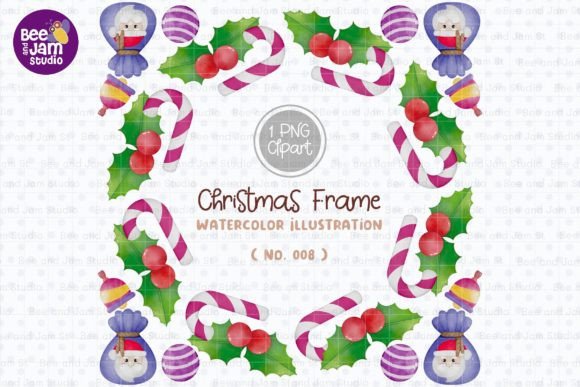
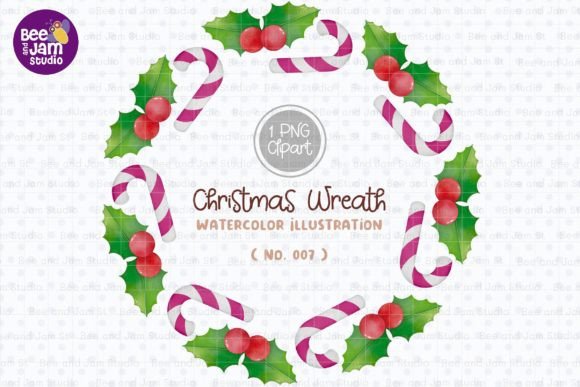
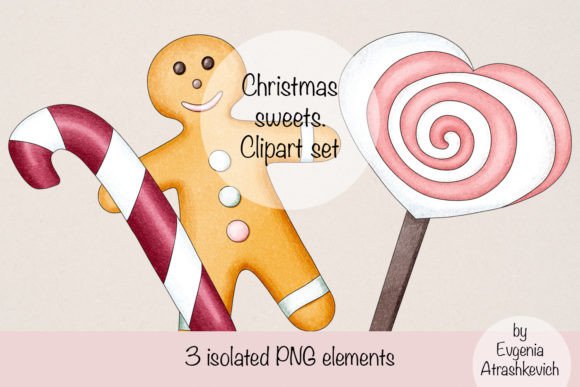
Upon first glance, Christmas Traditional Art immediately evokes a sense of heritage and cozy comfort. It isn't just a collection of clipart; it feels like a curated set of illustrations meant to tell a story. The visual language leans heavily into classic motifs—perhaps pinecones, holly, vintage ribbons, or traditional typography—that resonate with consumers looking for authenticity. For a small business owner or a handmade brand, this is exactly the kind of emotional hook needed to differentiate themselves in a crowded marketplace. It creates an instant mood that says "quality" and "timelessness."
Real-World Application in Brand Identity and Packaging
In the context of real client work, the versatility of Christmas Traditional Art is where it truly shines. Imagine applying this asset to product labels for a local artisanal bakery or wrapping paper for a high-end gift shop. Because of its detailed nature, it performs exceptionally well in large layout areas where the viewer has time to appreciate the nuance. When used as a hero graphic on a website or a primary visual for a seasonal marketing campaign, it commands attention and sets a sophisticated tone.
For designers working on packaging design, this asset offers a robust foundation. Whether you are creating a box for a tea blend or a sleeve for a candle jar, the intricate details of Christmas Traditional Art can serve as a decorative border or a central focal point. It elevates the perceived value of the physical product. In editorial design, such as a magazine spread or a blog post about holiday traditions, these illustrations provide the necessary texture that flat, modern graphics often lack. They add depth and character, making the content feel more curated and less generic.
The asset also integrates seamlessly into digital environments. For social media graphics, particularly on platforms like Pinterest or Instagram where visual storytelling is key, using Christmas Traditional Art can significantly boost engagement. It fits perfectly within Canva templates designed for small businesses, allowing them to maintain a consistent brand voice across all channels. If you are a digital seller or a print-on-demand entrepreneur, this illustration is a prime candidate for creating themed collections. You can adapt it for t-shirt designs, tote bags, mugs, and even sublimation projects, ensuring your merchandise looks cohesive and professionally finished.
Strategic Placement and Visual Hierarchy
However, good design is not just about what you include, but how you use it. While Christmas Traditional Art is powerful, it requires strategic placement to maintain effective visual hierarchy. It works best when given space to breathe. Large layout areas allow the eye to wander through the details without feeling overwhelmed. As a supporting brand element or a decorative accent, it can frame text beautifully, guiding the reader's focus toward the core message.
Conversely, there are scenarios where this asset needs careful handling. If you are designing for a minimalist branding project, the richness of Christmas Traditional Art might clash with the clean lines and negative space typical of modern minimalism. Similarly, in crowded layouts or complex backgrounds, the detail level of the illustration could get lost, resulting in visual noise rather than clarity. For professional corporate materials that demand strict neutrality, this asset might be too thematic and emotional, potentially undermining a serious business image.
Readability is another critical factor. When placing text over or near Christmas Traditional Art, contrast becomes paramount. The intricate patterns can compete with font choices if not managed correctly. A sans-serif font might cut through the complexity better than a script font, depending on the weight of the illustration. In low-contrast designs, the asset could fade into the background, failing to deliver the intended impact. Designers must ensure that the visual trust and recognition of the brand remain intact, using the asset to enhance, not obscure, the communication goal.
Technical Checks Before Commercial Use
Before committing to a client project, a professional designer must run a series of technical checks. First, test the asset in black and white. This reveals whether the composition holds up without the support of color and ensures that the form remains strong. Next, preview the design at both small and large sizes. What looks stunning on a desktop monitor might become muddy when scaled down for a mobile screen or a small sticker design.
File formats are equally important. If you are working on a Cricut project or creating SVG designs for vinyl cutting, inspect the vector editability. Ensure that paths are clean and nodes are optimized. For raster applications, check the PNG transparency to avoid jagged edges or unwanted halos around the illustration. Placing the asset on real mockups is essential to visualize how it interacts with textures and lighting. Does it look like a printed label? Does it sit naturally on a fabric surface?
Typography pairing is a nuanced step. Compare the style of Christmas Traditional Art against serif, sans-serif, script, handwritten, and display fonts. The goal is harmony. A vintage-style illustration might pair poorly with a futuristic geometric font but could sing alongside a classic serif typeface. Finally, confirm the commercial license. Using a design asset for a client project requires explicit permission for commercial use. Verify that the terms cover the specific medium you are targeting, whether it is print-on-demand, web design, or a design bundle sold to other creators.
Why This Asset Matters for Creative Professionals
In the end, Christmas Traditional Art represents more than just a seasonal decoration; it is a tool for building connection. For crafters, Etsy sellers, and digital creators, having access to high-quality illustrations allows for faster turnaround times and higher quality outputs. It bridges the gap between amateur enthusiasm and professional execution. By integrating these elements thoughtfully, designers can create campaigns that feel personal and authentic, resonating deeply with audiences who crave genuine holiday spirit.
Whether you are crafting a brand identity for a new startup, developing marketing visuals for a seasonal push, or producing printable wall art for home decor, this asset provides a reliable backbone. It supports the narrative of a brand that values tradition and quality. When used with intention, Christmas Traditional Art transforms a simple design into a memorable experience, proving that even in a digital-first world, the charm of classic imagery remains a powerful force in creative design.