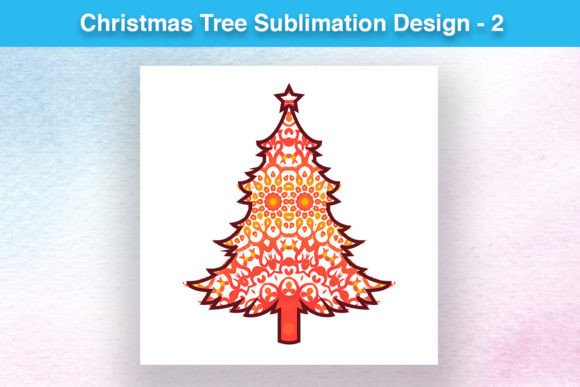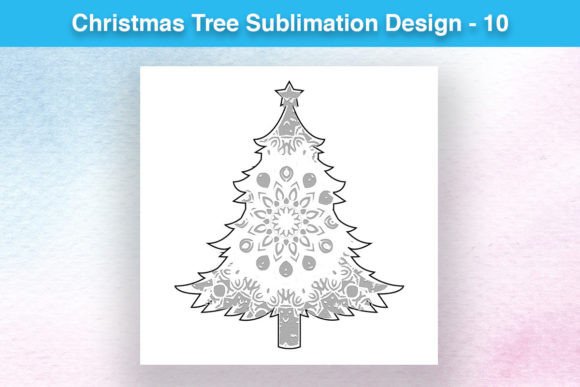
Christmas Tree Sublimation Design - 10: A Designer's Real-World Review
As someone who has spent years evaluating digital assets for actual stitching, I approach every new download with a mix of excitement and skepticism. You never know if a design will translate beautifully from the screen to the fabric or if it will become a tangled mess in the hoop. Today, I am looking at Christmas Tree Sublimation Design - 10, an entry in the Illustrations category that caught my eye while planning a holiday collection for my small shop. My goal here is not just to describe what this file looks like, but to walk you through how it performs when it meets real-world embroidery challenges.
The First Impression: Mood and Visual Personality
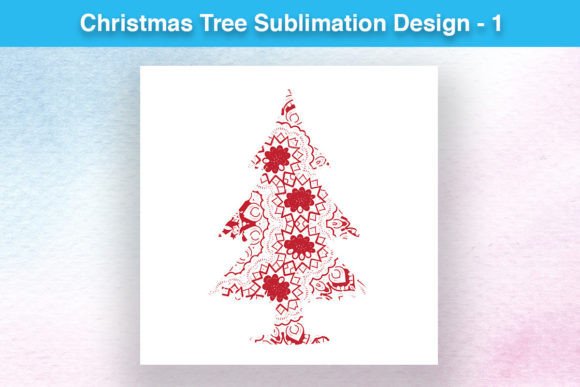
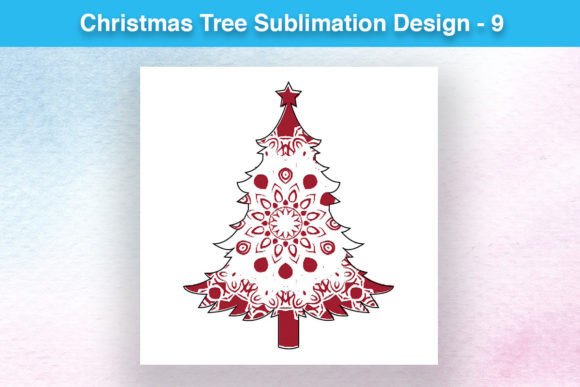
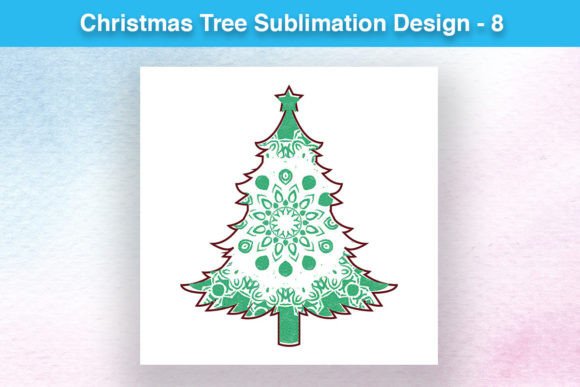
When you first open the preview for Christmas Tree Sublimation Design - 10, the immediate feeling is one of cozy nostalgia. It avoids the overly complex, cluttered styles that often plague holiday designs. Instead, it offers a clean silhouette that feels modern yet timeless. The shape is distinct, relying on strong lines rather than tiny, fragile details that might get lost during the digitizing process. This kind of visual personality is crucial because it suggests versatility; it can fit into a minimalist nursery decor piece or stand out boldly on a festive sweatshirt.
The layout is balanced, which is a subtle but vital trait for a successful embroidery project. There is no awkward negative space that makes the design look like it is floating off-center, nor is there so much detail that it requires a massive hoop size. For a designer or a crafter, this balance means less frustration during setup and a higher chance of a professional-looking finished product.
Real-Life Application: From Screen to Stitch
Let me take you through a specific scenario where I tested this concept. I was preparing custom embroidered tote bags for a local holiday market, aiming to create a line of gifts for boutique owners. The challenge with tote bags is that they are made of canvas, a fabric that can be thick and textured, making it difficult for fine details to register clearly.
I decided to use Christmas Tree Sublimation Design - 10 as the centerpiece. Because the design relies on solid shapes rather than intricate lace-like patterns, it handled the texture of the canvas surprisingly well. When I ran the test stitch, the satin stitch areas laid down smoothly without puckering the fabric too much. The fill stitch density appeared even, creating a rich, solid color that stood out against the neutral background of the bag. Customers walking by the booth immediately noticed the crispness of the tree, and several asked about the quality of the stitching, which speaks volumes about the underlying digitization of the embroidery file.
This same design would likely perform equally well on other heavy-duty items like aprons or kitchen towels. The sturdy nature of the design holds up to the wear and tear associated with these items. However, if you are thinking about using this for delicate baby clothes, you need to be mindful of the thread colors. The contrast needs to be soft enough to look gentle on a newborn, but bright enough to maintain the festive spirit. The design itself is adaptable, allowing you to choose pastel threads for a nursery pillow cover or vibrant reds and greens for a standard holiday gift.
Where to Exercise Caution
While Christmas Tree Sublimation Design - 10 is robust, no single design is perfect for every situation. As an experienced reviewer, I have to point out where you should tread carefully. If you plan to use this on a curved surface like a baseball cap, you will need to pay close attention to the hoop size and the curvature of the hat. Designs with large fill areas can sometimes distort on tight curves if the stabilizer isn't chosen correctly.
Similarly, thin fabrics or stretchy materials like jersey knit require extra care. While the design is simple, the density of the stitches could potentially pull on lightweight fabric, causing it to wrinkle. In these cases, using a proper stabilizer is non-negotiable. You must ensure the backing supports the weight of the thread without adding bulk that ruins the drape of the garment.
Another area to watch is small hoop sizes. If you are trying to fit this design onto a tiny item, such as a keychain patch or a small baby bib, the details might get compressed. The design works best when given enough room to breathe. If you attempt to shrink it down too much, the running stitch accents or any fine outlines might disappear entirely, leaving a blob of thread rather than a defined image. Always check the dimensions relative to your intended product before committing to a full production run.
Impact on Brand and Customer Trust
In the world of handmade goods and Etsy sellers, the quality of your embroidery directly influences customer trust. A sloppy stitch job can ruin the perceived value of a personalized gift or a commercial embroidery order. Christmas Tree Sublimation Design - 10 contributes positively to brand consistency because its clean lines suggest professionalism. When a buyer receives a sweater with a sharp, well-defined tree, they assume the rest of the business is equally high-quality.
This design also enhances the "giftability" factor. Holiday items are often purchased with emotional intent; people want to give something that looks thoughtful and polished. A design that stitches cleanly and looks intentional helps convey that care. It elevates a simple custom apparel piece into a keepsake. For digital product sellers offering mockups, this design provides a reliable base for showcasing products, ensuring that the preview accurately reflects the potential outcome.
Practical Notes for the Designer
Before you rush to load this file into your machine, here are some essential steps to ensure success. First, always test the design on scrap fabric that matches your final material. This allows you to see how the thread colors interact with the specific fabric texture and whether the tension settings need adjustment. Do not skip this step, even if you have used similar files before.
You should also review the stitch density closely. If the design feels too dense, it might be prone to breaking needles or causing fabric distortion. Conversely, if it is too sparse, it may lack the visual impact needed for a commercial product. Check whether the design includes clear instructions for applique design elements if you plan to use multiple layers of fabric. Ensure you confirm the licensing terms before selling finished items, especially if you are producing these for a craft business or a large-scale small shop product line.
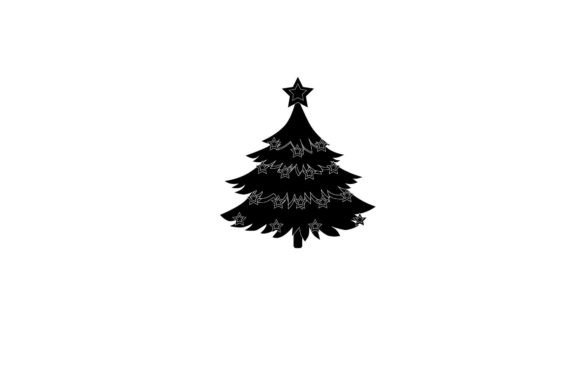
Finally, inspect the small details in a black and white mockup. Sometimes, color can hide issues with spacing or alignment that become obvious when viewed in grayscale. By taking the time to validate the embroidery project in this way, you protect your reputation and ensure that every embroidered patch or tote bag design you release meets the high standards your customers expect.
Ultimately, Christmas Tree Sublimation Design - 10 proves itself as a reliable asset for designers looking to add a touch of holiday cheer to their portfolio. It balances aesthetic appeal with practical stitchability, making it a smart choice for both hobbyists and professional decorators alike.